

Article Summary
- BMW is addressing a gap in the 7 Series' European lineup by launching a gas-only version.
- The 740 is offered exclusively with xDrive, but a rear-wheel-drive variant is planned for other markets.
- Power is provided by a B58 engine rated at 394 hp and 540 Nm (398 lb-ft)
When BMW launched the current-generation 7 Series four years ago, the gasoline-only versions were notably absent from the European lineup. Unfortunately, the 735i, 740i, and 760i never made it to the continent. European buyers could only get the gas engine paired with an electric motor in the 750e and M760e.
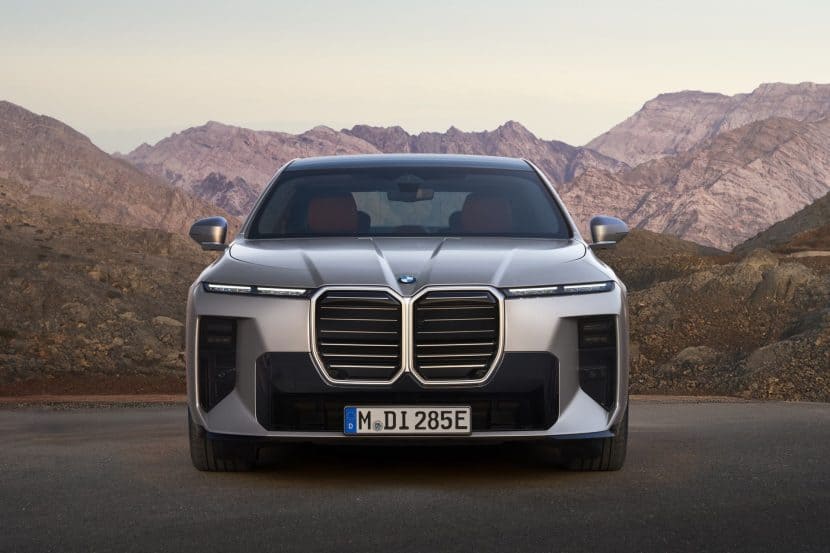
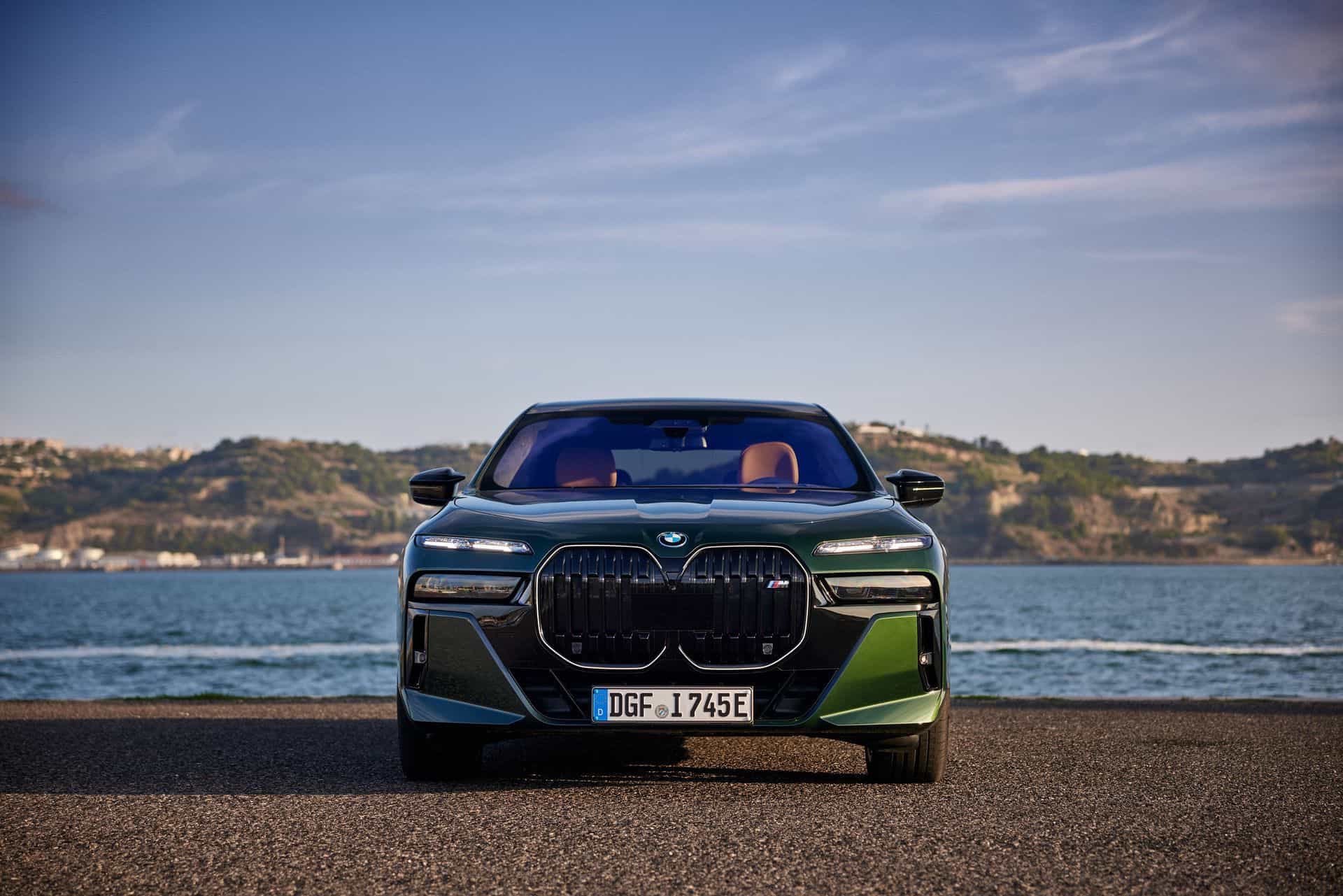
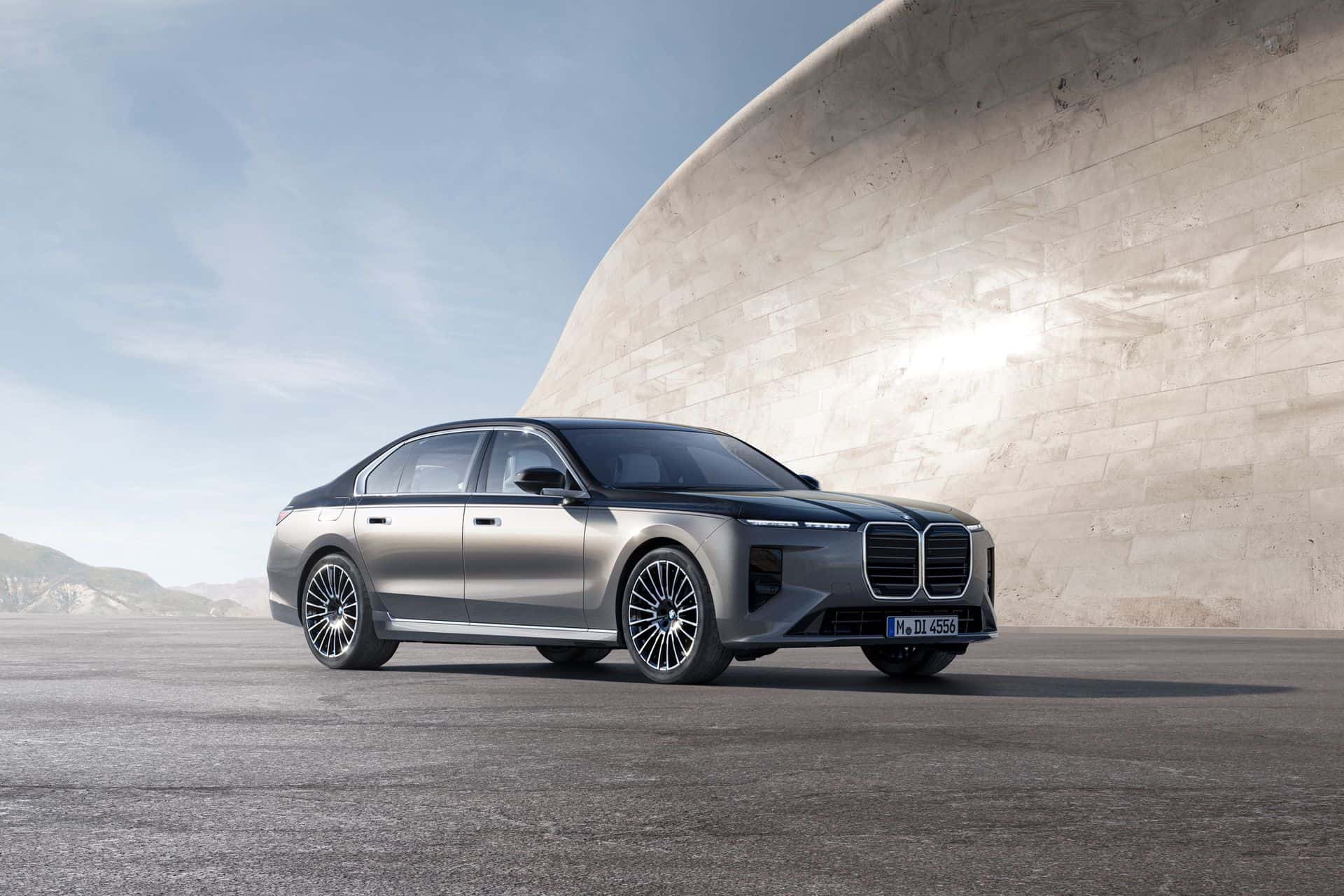
With the mid-cycle facelift launching today, BMW is finally addressing that gap in the European 7 Series lineup. Going forward, the 740 xDrive joins as a gasoline-powered model without a plug-in hybrid component. However, it’s still technically electrified. The car uses a crankshaft-mounted starter generator integrated into the eight-speed automatic transmission. Consequently, it is a mild hybrid with 48-volt tech.
BMW says its engineers have fine-tuned the B58 engine specifically for European tastes. The turbocharged inline-six delivers 394 horsepower and 540 Newton-meters (398 lb-ft) of torque. Additionally, there’s a temporary 40 Nm (29 lb-ft) boost from the electric motor. Running on the Miller cycle and fitted with a new turbocharger, the 3.0-liter engine has enough punch to propel the car to 62 mph (100 km/h) in 5.1 seconds. Flat out, the new 7 Series reaches an electronically capped 155 mph (250 km/h).
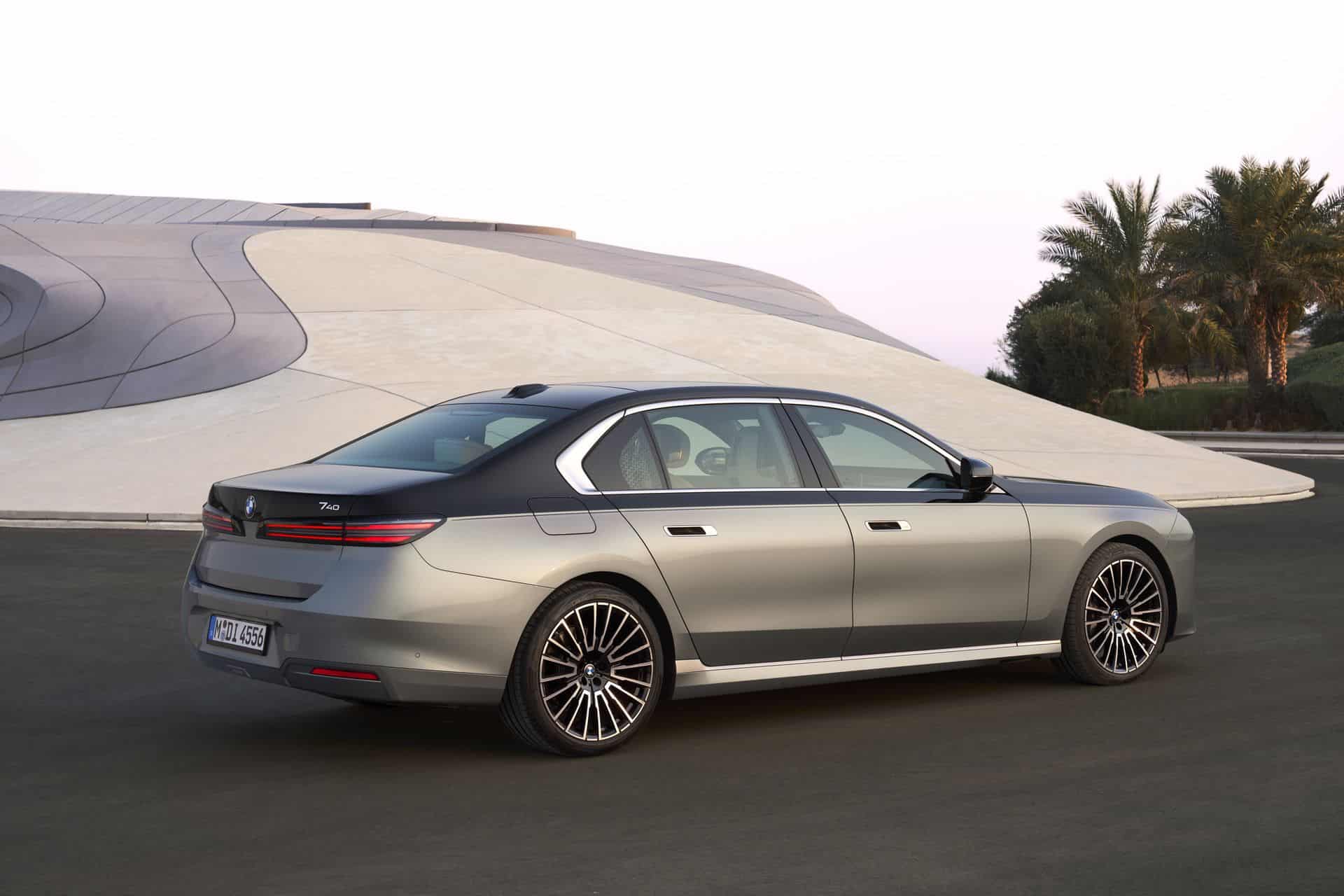
Even though it’s a large and heavy luxury sedan, the 740 xDrive is estimated to sip as little as 8.6 liters per 100 kilometers in the WLTP cycle. That works out to 27.3 miles per gallon, which is a respectable figure for a non-PHEV model at the upper end of the segment.
In certain markets, such as the United States, BMW also plans to sell a rear-wheel-drive 740. It has identical output, but dropping xDrive takes a toll on acceleration, adding 0.4 seconds to the sprint time, bringing it to 5.4 seconds. Top speed remains unchanged. Fuel economy improves thanks to the lower weight, dropping to 7.7 liters per 100 kilometers (30.5 mpg).
Other regions will also get a lesser 735 with rear-wheel drive. It, too, is a mild hybrid, but BMW detunes the six-cylinder engine to 282 hp and 400 Nm (295 lb-ft). Performance predictably takes a hit, with the sprint to 62 mph taking 6.9 seconds, making it the slowest 7 Series on the market. Fuel efficiency matches that of the 740.
At the other end of the lineup, Americans can look forward to a V8-powered M Performance model arriving in 2027. BMW will likely brand it as the M760 and effectively replace the 760i.