

Article Summary
- BMW i4 production is expected to end in late 2026 or early 2027, replaced at Plant Munich by the all-new Neue Klasse i3 starting August 2026.
- The i4 M50 was the first BMW M Performance electric vehicle, earning widespread praise for driving dynamics that rivaled its combustion counterparts.
- The i4's greatest legacy is proving that electrification and driving excitement are not mutually exclusive — a standard the Neue Klasse must now uphold.
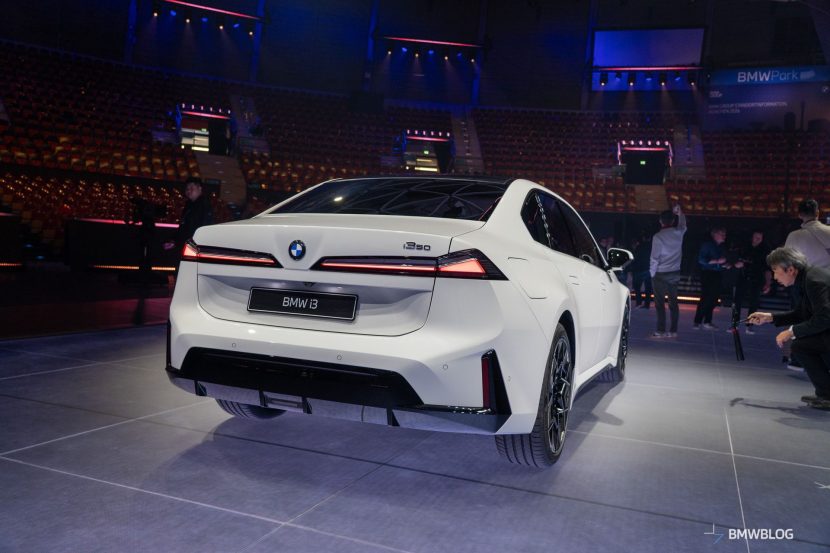
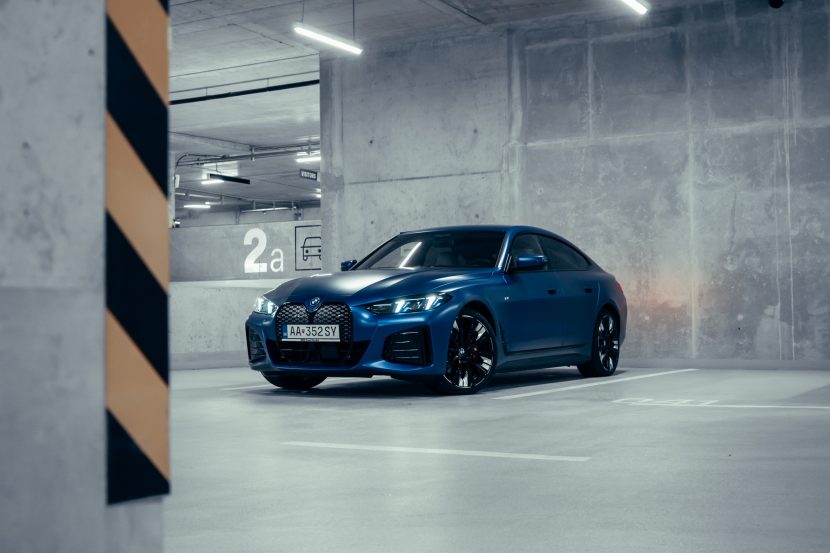
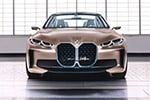
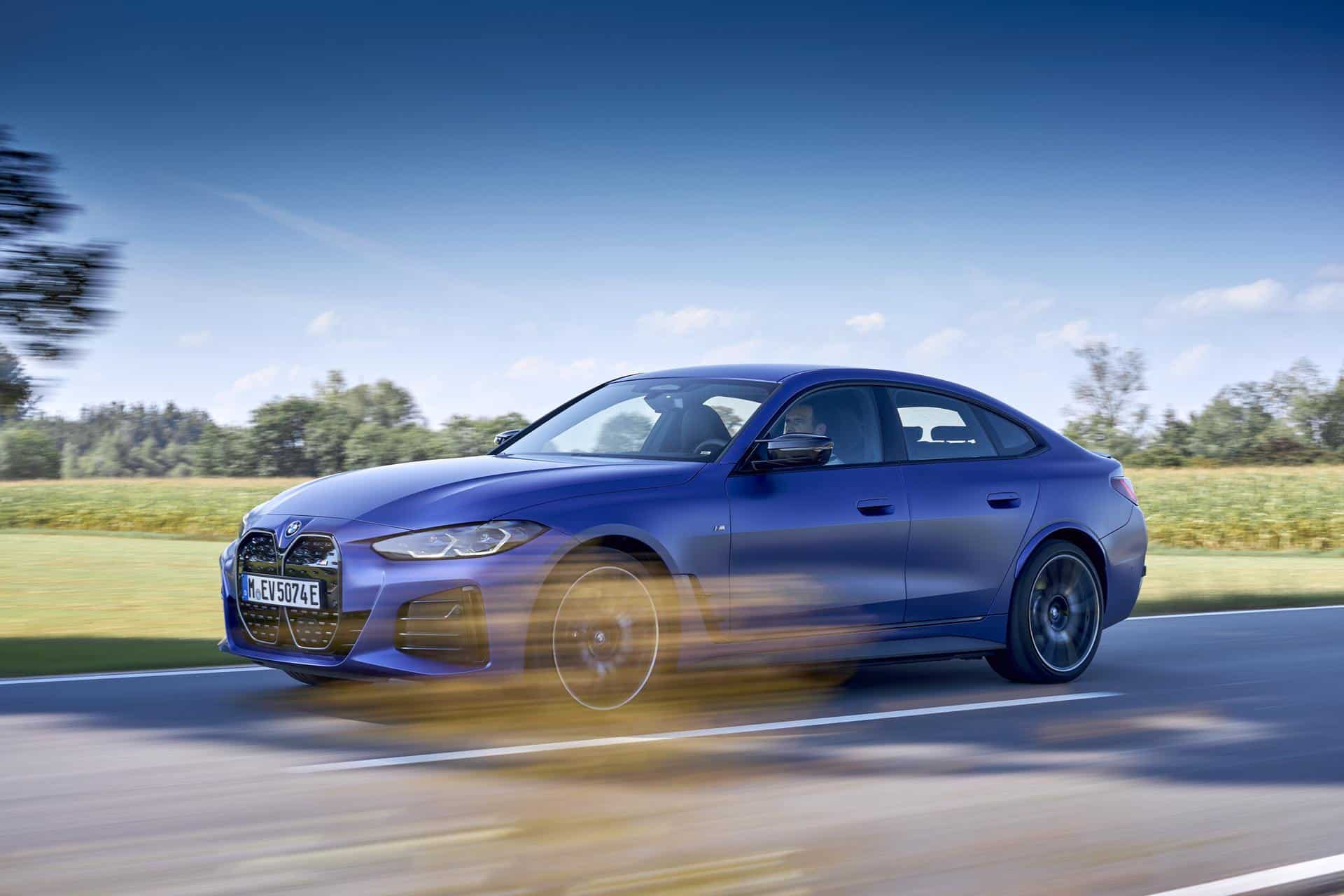
The BMW i4’s run may be nearing its end. According to insider reports, production of the electric Gran Coupe is expected to wind down in late 2026 or early 2027 (depending on the market)— a timeline that lines up almost perfectly with the arrival of its successor. BMW is set to begin production of the all-new i3 Neue Klasse at Plant Munich in August 2026, and with factory floor space and resources at a premium, a transition away from the current i4 makes complete sense. One era ends so another can begin.
But before the i4 quietly exits the lineup, it’s worth stepping back and asking a question that doesn’t get asked often enough: what did the BMW i4 actually prove?
A Genuine BMW That Happened to Be Electric
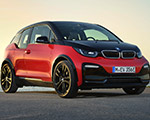
When the i4 debuted for the 2022 model year, BMW was at a crossroads. The automaker had spent years navigating an awkward middle ground — building quirky purpose-built EVs like the original i3 city car while watching rivals like Tesla redefine what an electric vehicle could be. The i4 was BMW’s answer to that moment. Rather than engineering another dedicated EV from scratch, BMW built it on the proven CLAR platform shared with the 3 Series and 4 Series Gran Coupe, and in doing so, made a quiet but powerful statement: an electric BMW should still drive like a BMW.
That bet paid off. Critics and enthusiasts who expected an appliance found a driver’s car instead. The steering had weight and feedback. The chassis was balanced. The suspension was tuned to reward, not just to insulate. In a segment increasingly dominated by heavy, range-obsessed machines optimized more for highway cruising than canyon carving, the i4 stood apart.
The i4 M50 and M60: Redefining What M Performance Means
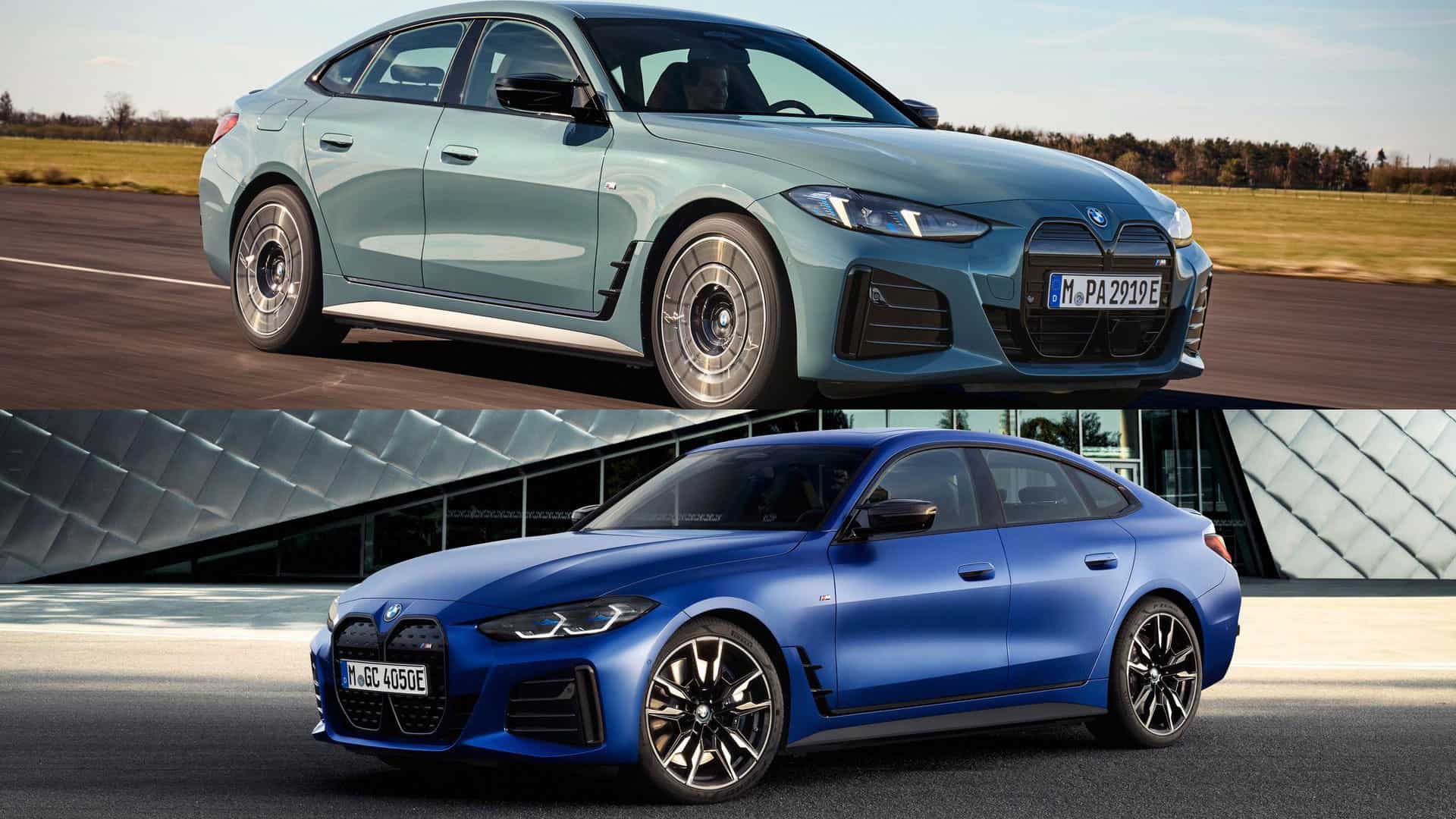
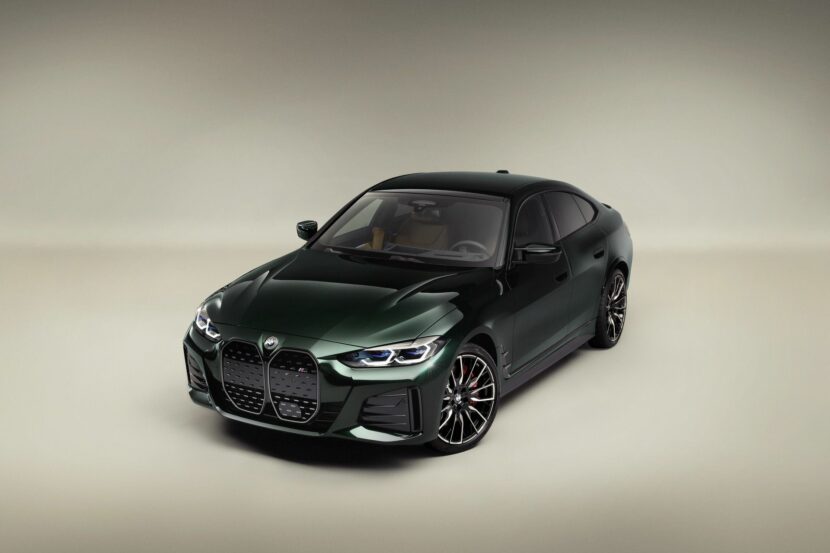
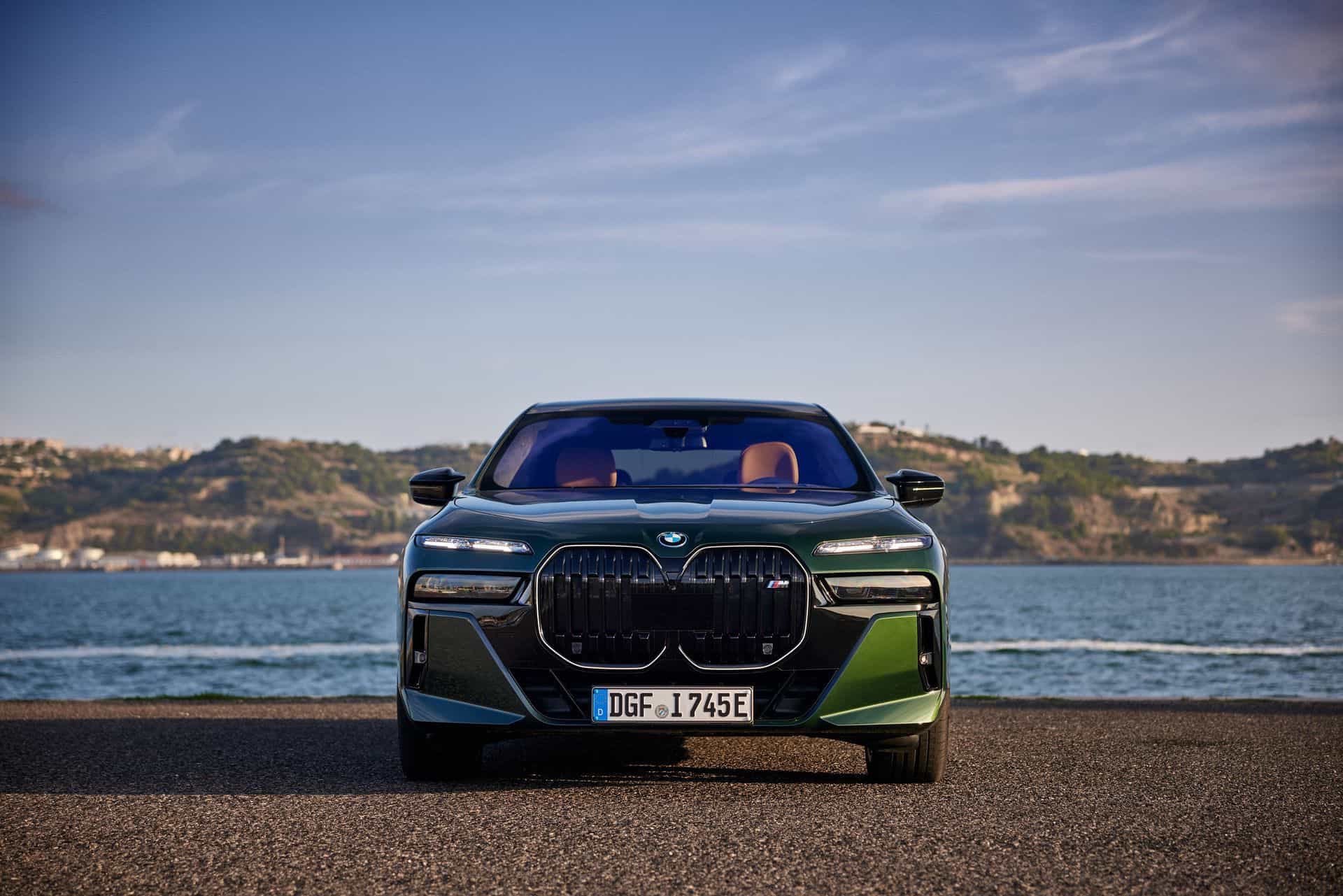
Perhaps the most significant contribution the i4 made to BMW’s identity was the introduction of the M Performance electric vehicle. The i4 M50 — which arrived at launch — was a landmark product. It was the first BMW ever to wear an M Performance badge while running entirely on electricity, and it had every right to wear it.
The i4 M50 produces around 536 horsepower from its dual-motor setup, with torque delivered instantaneously across both axles. Zero to 60 mph arrives in roughly 3.7 seconds, but more importantly, it feels alive in a way that raw numbers can’t fully capture. The adaptive M suspension, the rear-biased torque distribution, the Sport Boost function that unleashes peak power in short bursts — all of it was engineered with a driver in mind, not just a spec sheet.
The subsequent i4 M60, introduced with the LCI refresh, pushed the performance envelope even further, delivering closer to 600 horsepower and sharpening the M character that the M50 had established. Together, the two variants helped dismantle one of the most persistent myths in the performance car world: that electric vehicles are inherently soulless. They are not — at least not in the sense of performance. Of course, some could define engine noise as being part of the soul.
Legacy on the Factory Floor and Beyond
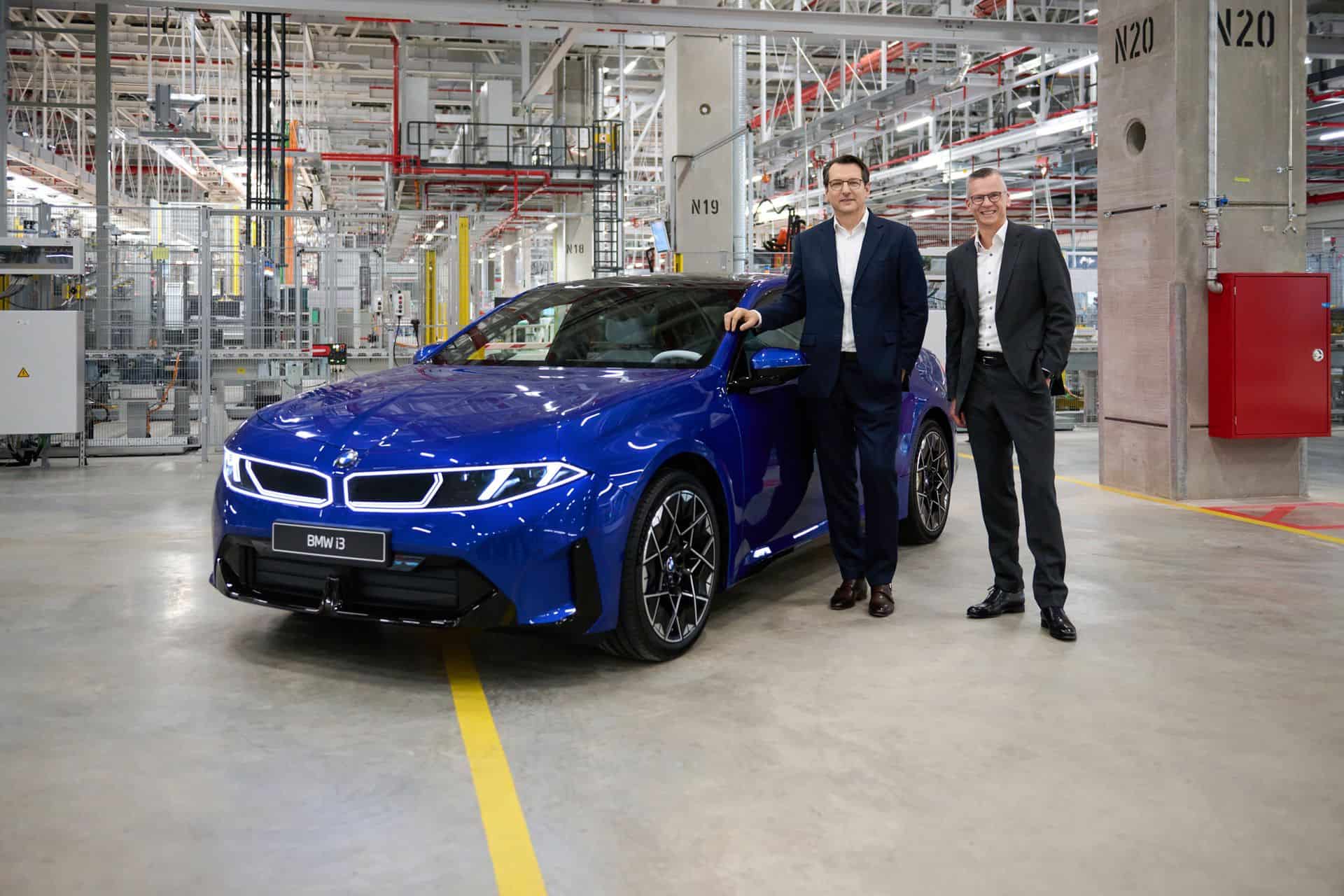
The i4’s production home, Plant Munich, is one of BMW’s most storied facilities and one of the few that has successfully transitioned from pure combustion manufacturing to mixed ICE and EV production. The plant currently builds the i4 alongside 3 Series and 4 Series variants, a logistical achievement that BMW has used as a proof of concept for its flexible manufacturing strategy.
With the Neue Klasse i3 arriving in August 2026 — a ground-up electric vehicle on an entirely new dedicated EV platform — Plant Munich will begin its most significant transformation yet. The new architecture brings a next-generation cylindrical cell battery, a new electric drivetrain, and a fundamentally different vehicle structure. It requires space, investment, and focus. So it’s only normal that one car retires while the other takes its place.
What Comes Next
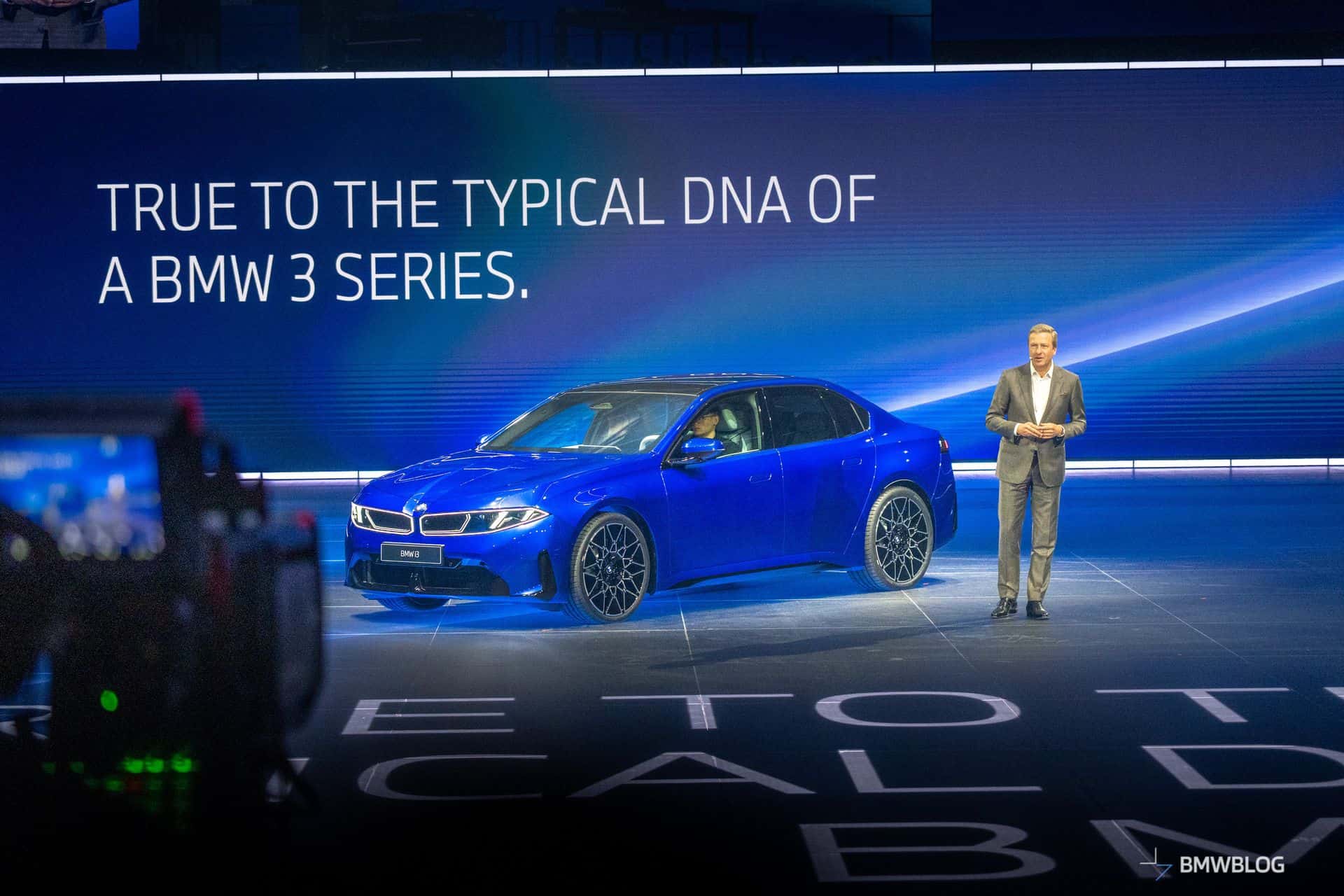
The Neue Klasse i3 will almost certainly be a more capable EV than the i4 in every measurable way — longer range, faster charging, more efficient packaging. But it will face a harder test: living up to the driving reputation its predecessor quietly built.
The i4 entered a skeptical market and left it changed. It proved that BMW’s transition to electrification didn’t require a compromise on driving pleasure, that M Performance could survive the absence of an exhaust note, and that a four-door EV could genuinely compete for the attention of enthusiasts who had no obligation to care. Those are not small things.
When the last i4 rolls off the line in Munich — whether in late 2026 or early 2027 — it will leave behind a legacy that its understated styling never quite suggested. The car that quietly changed minds is about to make room for the car that’s supposed to change everything.